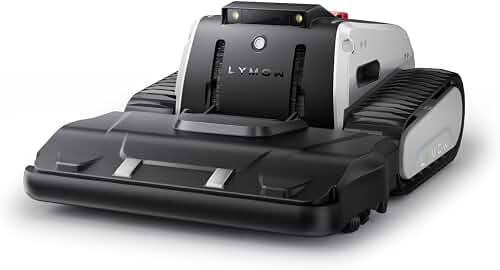
For homeowners battling seasonal allergies, the best robot mower allergy sufferers pollen reduction strategy comes down to three things: keeping grass consistently short so it never flowers and releases pollen, mulching clippings into fine particles that settle quickly rather than becoming airborne, and removing the human operator from a cloud of stirred-up allergens entirely. Robot mowers excel at all three. By cutting a few millimeters at a time on a near-daily schedule, they prevent the seed-head formation that turns lawns into pollen factories, and because you never have to push a mower yourself, you can stay safely indoors during peak counts. This 2026 buyers guide walks through the features that matter most, the scheduling tricks that minimize symptoms, and the common pitfalls that turn a good machine into a sneeze trigger.
Why robot mowers genuinely help allergy sufferers
Traditional weekly mowing is a perfect storm for anyone sensitive to grass pollen, mold spores, or fine plant dust. You let the lawn grow tall, the grass blades produce seed heads packed with pollen, and then you spend forty-five minutes hacking through it behind a noisy gas engine that aerosolizes everything into your face. By the time you walk back inside, your eyes are streaming and your shirt is coated in allergen-laden clippings.
Robot mowers flip this dynamic. Because they trim only the top few millimeters every day or two, the grass never reaches the reproductive stage where pollen production peaks. Studies of turf management consistently show that lawns mowed at heights below 4 cm and cut frequently produce dramatically less pollen than those allowed to grow long between cuts. The mulching action of the small razor blades chops clippings into particles fine enough to drop straight into the thatch layer, where they decompose and feed the soil rather than blowing across the yard. And the cherry on top: the entire process happens while you sip coffee inside with the windows closed.
The features that actually reduce pollen exposure
Daily or near-daily mowing schedules
This is the single most important feature for allergy sufferers, and thankfully it is standard on virtually every robot mower sold in 2026. Look for a model that can confidently cover your square footage in under three hours per session so it can complete a full pass every twenty-four to forty-eight hours. Larger yards may need a higher-capacity battery or multiple charging cycles per day. Smart-schedule models that automatically increase frequency during peak growth season are particularly valuable because spring is also when pollen counts spike.
True mulching blades, not bag-and-collect designs
Every modern robot mower mulches by design — there is no bag to empty. The razor-style pivoting blades slice clippings into fragments small enough to fall through the canopy. This matters for allergies because larger clippings sit on top of the lawn, dry out, and become airborne later when the wind picks up or when pets run through. Fine mulched particles, by contrast, drop into the soil within hours. If you are comparing models, look for designs with three or more blades and tip speeds high enough to reduce clippings to dust rather than tear them into ragged strips.
Low cutting heights with precise adjustment
The ideal cut height for pollen suppression in cool-season grasses is around 3 to 4 cm; for warm-season grasses like Bermuda, you can go even shorter. Make sure the mower you choose offers adjustment in that range and that the increments are fine enough — some budget models only offer 1 cm steps, which is fine, while premium machines offer continuous adjustment via app. Avoid mowers whose minimum height is 5 cm or above, as those will struggle to keep seed heads in check during the spring flush.
Quiet operation for nighttime scheduling
Pollen counts are typically highest between 5 a.m. and 10 a.m. If you can run the mower overnight, finishing before dawn, you minimize the chance that mowing activity stirs up airborne grains right when local levels are about to peak. Look for sound ratings below 60 dB at one meter. Premium brushless-motor models routinely come in around 55 dB, which is quiet enough that neighbors will not complain and you will not hear it through closed bedroom windows.
App-based weather and pollen integration
The newest generation of smart robot mowers can pull live weather data and automatically skip sessions when rain is forecast — useful because wet grass releases more allergens when cut. Some manufacturers are now experimenting with local pollen-count integration, pausing mowing on high-count days. Even without that feature, a good companion app lets you manually pause a week of cuts before an important outdoor event when you want symptom load minimized.
Boundary wire alternatives for cleaner installation
Many allergy sufferers also react to soil disturbance and the molds released when you trench in a perimeter wire. GPS-RTK and vision-guided wire-free mowers eliminate the boundary-wire installation entirely, which is a small but meaningful exposure reduction during setup. See our guide to the best wire-free robot lawn mowers for the current crop of models that skip the wire trenching.
Scheduling strategies that minimize symptoms
Owning the right mower is only half the equation. How you schedule it determines whether you actually feel better.
Run overnight or in the early afternoon
Grass-pollen counts in most temperate regions peak between 5 a.m. and 10 a.m., dip in the early afternoon, and may rise slightly again in the early evening. If your mower is quiet enough for nighttime operation, schedule a session that finishes by 4 a.m. so any disturbed pollen settles before the morning peak. If overnight operation is not an option, the 1 p.m. to 4 p.m. window is typically the lowest-allergen time of day for the actual cutting.
Skip sessions immediately before outdoor gatherings
Even with daily cutting, freshly mowed grass releases a burst of cut-grass volatile compounds that can trigger reactions for some sensitive people. If you are hosting a barbecue or have an outdoor event, pause the mower for the preceding twenty-four hours so the lawn has time to settle.
Pause during heavy oak and birch pollen weeks
Tree pollen falls on your lawn during spring and is then re-aerosolized every time the mower passes over it. During peak tree-pollen weeks, consider reducing the schedule to every third day rather than daily so the pollen has time to wash into the soil between sessions.
Mow after rain, not before
Rain washes pollen from the air and from grass blades into the soil. Scheduling cuts for the day after a rainfall — once the grass has dried — means the mower is working with already-suppressed pollen levels rather than redistributing dry grains.
What to avoid when shopping
Models with bag attachments
A handful of robot mowers offer optional grass-catcher bags. Avoid them. Emptying a bag of fresh clippings is exactly the kind of allergen-heavy task you bought a robot to eliminate, and the bagging mechanism reduces the fine mulching action that helps clippings settle.
Cheap mowers with infrequent schedules
Some budget models lack the battery capacity to mow daily on yards over a quarter acre, forcing you into a once- or twice-weekly cadence that lets seed heads form. If your yard is large, prioritize battery capacity and charging speed over price. Our general buying guide walks through how to match battery and coverage specs to lawn size.
Excessively loud mowers
Anything above 65 dB will likely force you into daytime-only scheduling, which collides with peak pollen hours. Spend the extra money on a quiet brushless model if your symptoms are severe.
Models without weather skipping
Cutting wet grass produces larger, wetter clippings that do not mulch well, plus it spreads mold spores — a major allergen for many grass-allergy sufferers who are also sensitive to fungi. Make sure the mower has a rain sensor or app-based weather skip.
Setting up your yard for low-allergen success
Beyond picking the right machine, a few yard-prep choices amplify the allergy benefits.
First, consider overseeding with lower-pollen grass varieties. Hybrid Bermuda, female-only buffalograss, and certain micro-clover blends produce a fraction of the airborne pollen of traditional Kentucky bluegrass or ryegrass. A robot mower paired with a low-pollen turf species can reduce yard-level allergen exposure by an order of magnitude.
Second, keep flower beds and ornamental grasses well away from the mowing zone if they are wind-pollinated species. Many ornamental grasses produce more pollen than turfgrass and the robot will brush past them, releasing grains. Set virtual boundaries or use the boundary wire to keep the mower at least a meter clear.
Third, get the installation right. A well-mapped boundary and properly graded charging-station approach mean fewer missed sessions and consistent daily coverage. Our walkthrough on how to install a robot lawn mower covers the basics, and if you want a feature-by-feature breakdown before buying, our features explainer matches each spec to the use case it actually affects.
Putting it all together
The best robot mower allergy sufferers pollen reduction setup in 2026 is a quiet, brushless, true-mulching mower with a low minimum cut height, weather-aware scheduling, and enough battery capacity to cover your yard daily. Pair it with overnight or early-afternoon scheduling, skip sessions before outdoor events, and consider overseeding to lower-pollen grass species. The combined effect can be dramatic: many allergy sufferers report reducing or eliminating their reliance on antihistamines during the cutting season once they remove themselves from the mowing equation entirely. If you are still weighing brands and budgets, our roundup of the best robot lawn mowers overall covers the leading 2026 models across price tiers.
Frequently Asked Questions
Do robot lawn mowers really reduce grass pollen exposure?
Yes, primarily because they prevent grass from ever reaching the seed-head stage. Daily micro-cuts mean the lawn never produces pollen-bearing flowers, and the operator is removed from the cloud of stirred-up allergens. Combined with a low cut height and good mulching action, robot mowers can reduce in-yard pollen exposure by a significant margin compared to weekly traditional mowing.
What is the best robot mower allergy sufferers pollen schedule for spring?
During spring, when both growth and pollen counts are highest, set the mower for daily sessions completed before 5 a.m. or between 1 p.m. and 4 p.m. Enable weather-skip for rainy days, but resume promptly once the grass dries. If you are particularly sensitive to tree pollen, reduce to every other day during peak oak and birch weeks so settled pollen has time to wash in.
Should I choose a mulching robot mower or one with a bag for allergies?
Always choose mulching. Bagging requires you to physically empty grass clippings, which is one of the highest-allergen activities in lawn care. Fine mulched clippings drop into the thatch layer and decompose, while a bag concentrates fresh allergens that you then have to handle and dispose of.
How short should I cut my lawn to minimize pollen production?
Aim for 3 to 4 cm for cool-season grasses like fescue and bluegrass, and 2 to 3 cm for warm-season varieties like Bermuda or zoysia. At these heights, grass cannot send up the tall flowering stalks that produce most of the pollen. Going much shorter stresses the lawn and invites weeds, while taller cuts allow seed-head formation.
Are wire-free robot mowers better for allergy sufferers?
They can be, mainly because installation is cleaner — no trenching, no soil disturbance, no mold-spore release during setup. Performance-wise, modern RTK-GPS and vision-based mowers cut just as effectively as wired models. If you are sensitive to soil-borne allergens, the setup process alone may justify the wire-free premium.
Can a robot mower help with mold-spore allergies as well as pollen?
Indirectly, yes. Frequent short cuts keep the lawn drier and better-ventilated, which discourages the damp thatch conditions where many turf molds thrive. Pair daily cutting with proper drainage and avoid mowing wet grass, and you will substantially reduce the mold-spore load in your yard.
What other features should I look for if multiple family members have allergies?
Prioritize quiet operation for overnight scheduling, weather integration to skip wet days, app-based pause for outdoor events, and low minimum cut heights. A high-capacity battery that handles your full yard in one session prevents partially-cut zones where pollen can still form. If anyone in the household has mobility limitations alongside allergies, see our companion guide on robot mowers for elderly homeowners for overlapping recommendations.