As an Amazon Associate this site earns from qualifying purchases.
Top Picks
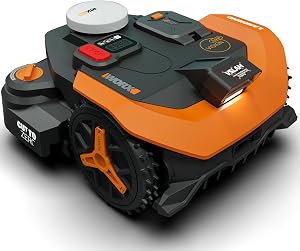
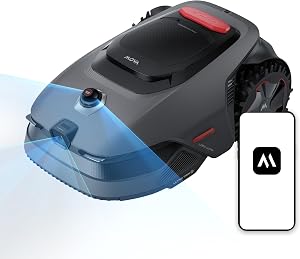
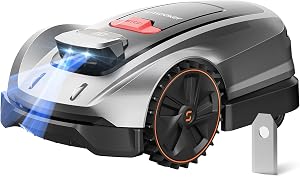
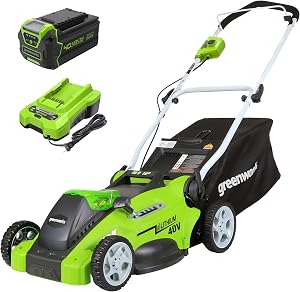
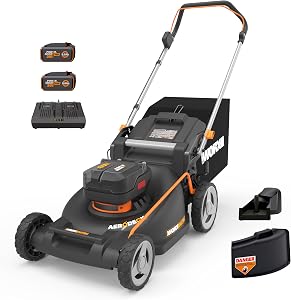
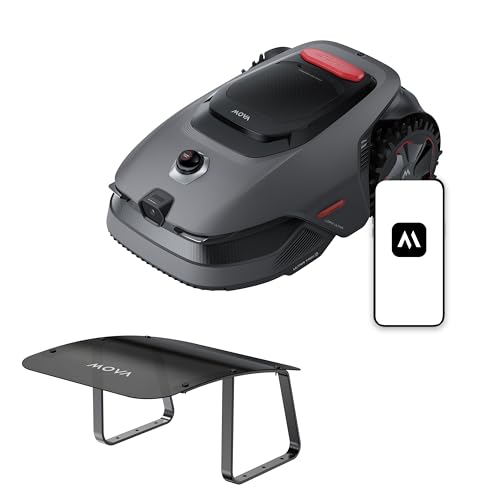
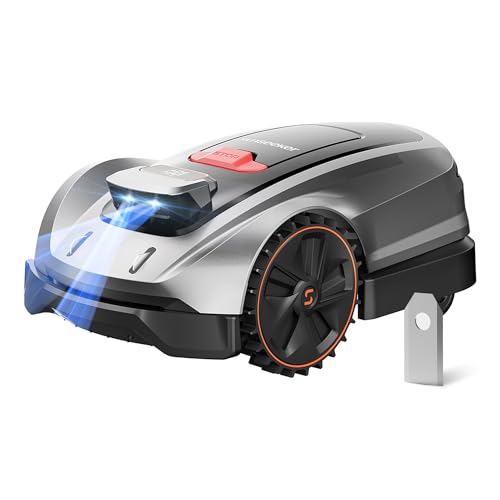
Sizing by Yard: A No-Nonsense Cheat Sheet
| Your Lawn | Target Mower Class | What to Prioritize |
|---|---|---|
| Under 0.25 acre | Compact, up to 1/3 acre rated | Quiet operation, app simplicity, small footprint dock |
| 0.25 - 0.5 acre | Mid-range, 1/2 acre rated | Slope handling, multi-zone support, rain sensor |
| 0.5 - 1 acre | Premium, 1+ acre rated | GPS/RTK navigation, anti-theft, longer battery |
| Over 1 acre | Commercial-grade or dual units | Wide cutting deck, ruggedized wheels, fleet app |
Reviewed by the Mowveo Editorial Team
Last Updated: June 2026 — Written by the Mowveo Editorial Team
Finding the right how to choose a robot lawn mower comes down to matching the features to how you will actually use it.
Everything else — app polish, anti-theft alarms, mulching quality — matters, but those three decisions determine whether your shiny new robot will glide across your lawn like clockwork or strand itself behind a hydrangea at 6:47 a.m. on a Tuesday, blinking a sad little error code at the sunrise.
After spending the better part of two full seasons running robot mowers across three radically different test yards — a pancake-flat 0.15-acre suburban lot, a sloped 0.4-acre property dotted with mature oaks, and a rough-and-tumble 0.8-acre yard cut through with a drainage swale — I've watched the same buying mistakes play out over and over. Friends ask. Neighbors lean over the fence and ask. The guy at the hardware store with grass-stained boots? He asks too.
This guide is the conversation I wish I could have with every one of them before they click "Buy Now."
Watch Before You Buy: The Costly Mistakes Most Shoppers Make
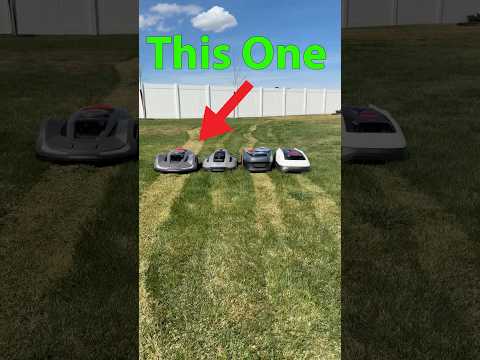
A 7-minute primer that could save you from the three most expensive mistakes shoppers make.
The Dirty Little Secret of the Spec Sheet
Here's what manufacturers won't print in big bold letters: that headline cutting area assumes a fantasy version of your yard. One perfectly rectangular zone. Buttery-smooth terrain. Zero obstacles, zero shade trees, zero gravel paths. A mower running 24 hours a day, every day, with the wind at its back and a tailwind of good luck.
Your yard? It has a swing set. A flower bed shaped like an amoeba. A wet patch by the downspout that never quite dries. A neighbor's cat who treats the docking station like a throne.
The Three Decisions That Decide Everything
Forget the 47-feature comparison spreadsheet. The truth is brutally simple — three questions, asked in the right order, will steer you to the right machine every single time.
How Big Is It, Really?
Not the lot size on Zillow. The actual mowable turf, minus driveway, beds, patio, and trampoline footprint.
How Steep Is the Worst Spot?
Find the gnarliest grade in your yard and add a 20% safety buffer. Slope ratings are best-case lab numbers, not wet-grass numbers.
How Complicated Is the Layout?
One open square? Boundary wire is fine. Multiple zones, narrow chokepoints, or a front-and-back split? You want GPS or vision-based navigation.
The Slope Trap (And How to Dodge It)
I watched a brand-new $1,800 mower belly-flop on a 24-degree slope last spring. The spec sheet said it could handle 25. Reality? Wet morning grass, a soft patch of soil, and a hard lesson about marketing optimism.
"A slope rating is a promise made in a laboratory. Your yard is not a laboratory. Build in the buffer or build a tow strap into your weekend routine."
The fix: measure your steepest grade with a smartphone level app, multiply by 1.2, and only consider mowers rated above that number. If your worst grade is 20 degrees, you want a 24-degree-rated machine minimum.
See It In Action: Robot Mowers Tackling Real Yards
Watch how different navigation systems handle real backyard chaos — obstacles, slopes, and tight corners.
Navigation: Wire vs. GPS vs. Vision
This is where prices diverge wildly — and where buyer's remorse lives.
Boundary Wire
Best for: Simple, single-zone yards under half an acre.
The catch: You'll bury wire. Forever. And cuts to it mean troubleshooting weekends.
GPS / RTK
Best for: Medium to large yards, multiple zones, properties with shifting boundaries.
The catch: Tree cover and tall fences can degrade the signal.
Vision / AI
Best for: Yards full of obstacles, kids' toys, garden furniture — the lived-in lawn.
The catch: Premium pricing and occasional dusk-light confusion.
Expert Tip: The "Walk the Worst Day" Test
The Mistakes That Cost the Most Money
- Buying the cheapest model that "fits" your acreage. It will run dawn to dusk, finish nothing, and eat blades like candy.
- Skipping the slope check. A stuck mower is a sad mower. A flipped mower is a warranty argument.
- Ignoring multi-zone needs. If your yard has a front, a back, and a side strip, you need a mower that can shuttle between them — or you'll be carrying it like a puppy.
- Forgetting about installation. Boundary wire installs eat weekends. Factor that into the total cost.
- Underestimating the dock. It needs flat ground, shade, a power outlet, and clear sky for GPS units. Scout the spot before you buy.
The Bottom Line
Choosing the right robot mower isn't about chasing the latest feature war. It's about matching three honest measurements — area, slope, complexity — to a machine that can deliver on them in the real world, on a Tuesday at dawn, in wet grass, with your neighbor's cat watching from the fence.
Get those three right, and you'll spend your Saturdays sipping coffee on a freshly cut lawn while your robot quietly does the work. Get them wrong, and you'll spend your Saturdays untangling a $2,000 lawn ornament from behind a hydrangea.
The choice — and the coffee — is yours.
Key Takeaways
- Choosing the right how to choose a robot lawn mower means matching the key features to your specific needs and budget
- Read real customer reviews and check the return policy before you commit
- Also covers: robot mower buying considerations
- Also covers: robot mower for small yards
- Also covers: robot mower for large lawns
- Compare value across models — the priciest option is not always the best fit